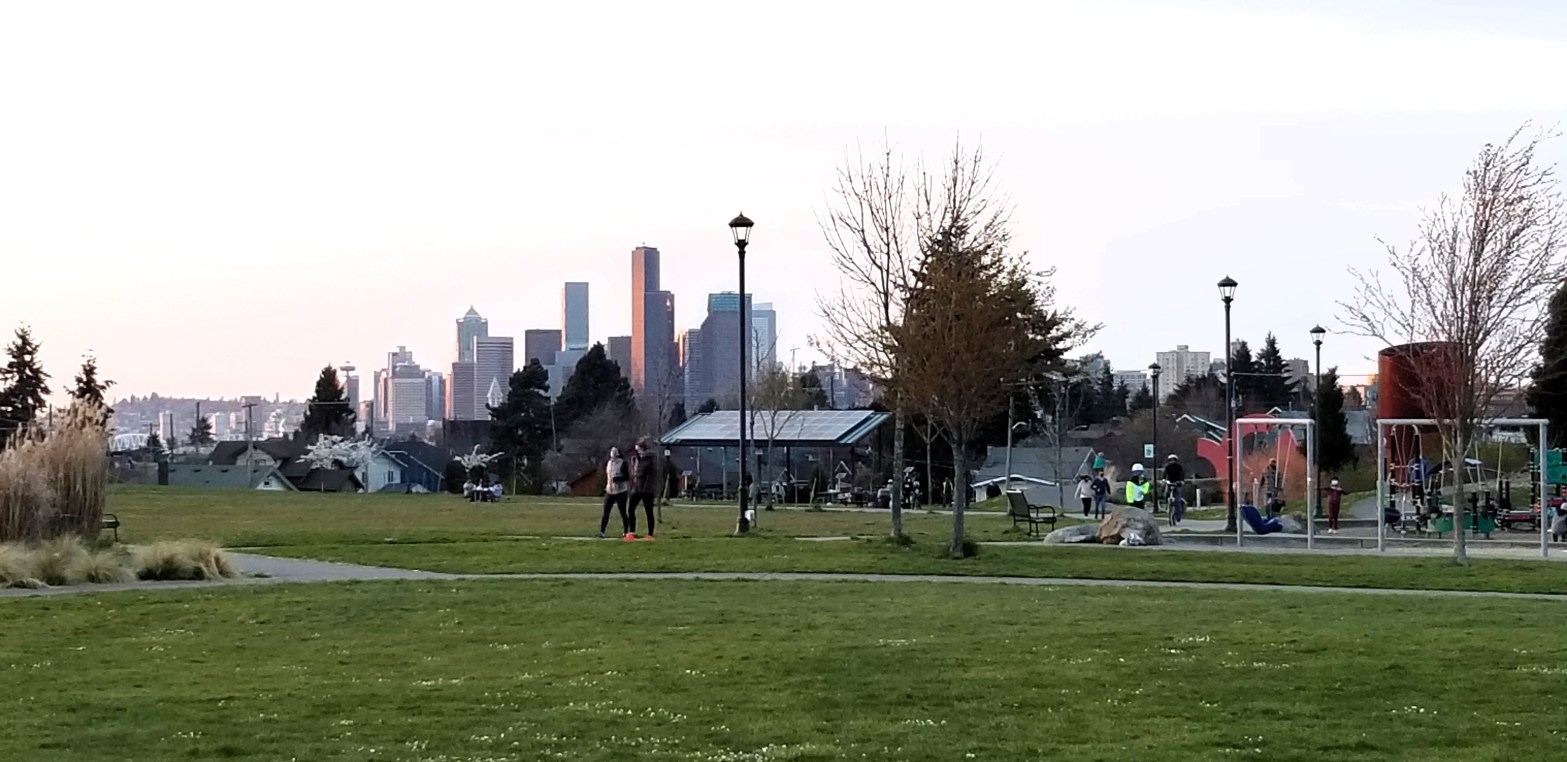
As we move through these last few months of winter, consider adding a “nature prescription” to your calendar in 2025 – and let people in your life know that you’re prioritizing time with nature.
What exactly are nature prescriptions? In a nutshell, they’re interventions that:
- are recommended by a social services, public health, or healthcare provider (including psychologists like me!)
- are geared toward improving physical and mental health
- emphasize time spent outside in nature (when going outside is safe and accessible), although you can connect with the natural world in other ways
In an earlier blog post, I’d invited you to #TakeTenforNature because research supports the health benefits of micro nature breaks. I like to think of these as nature PRN – which we can “take as needed,” especially when our bodies crave movement, we feel overwhelmed, or we simply want to “change the channel” in the middle of a work day.
Nature prescriptions are often more specific, structured, and tailored to meet an individual’s therapeutic goals and/or to address a particular problem (for example, reducing symptoms of depression or anxiety, responding to triggers skillfully, or managing chronic pain).
“Nature is not a cure for health issues—and park prescriptions aren’t meant to be used instead of prescriptions for medications. But people can harness real health benefits from their nearest patch of nature.” (TIME, 2022)
Here’s the scoop: You can write your own nature prescription through a well-established program like Park Rx America. Or create one with the help of a healthcare provider, who can help you clarify specifics such as place, activity, frequency, and duration. In fact, some providers might also participate in nature-based activities like “walk and talks” (or my version – “savor and strolls”) with you!
Nature prescriptions are as unique as the individuals who fill them. For example, a nature prescription for a single urban apartment dweller is going to look different compared to a mother living with young family in the suburbs. One person might decide that gardening or tending houseplants is a good fit; another may choose to schedule a weekly walk around a lake, a Sunday sit under their favorite tree, or a daily coffee break spent bird-watching in their neighborhood.
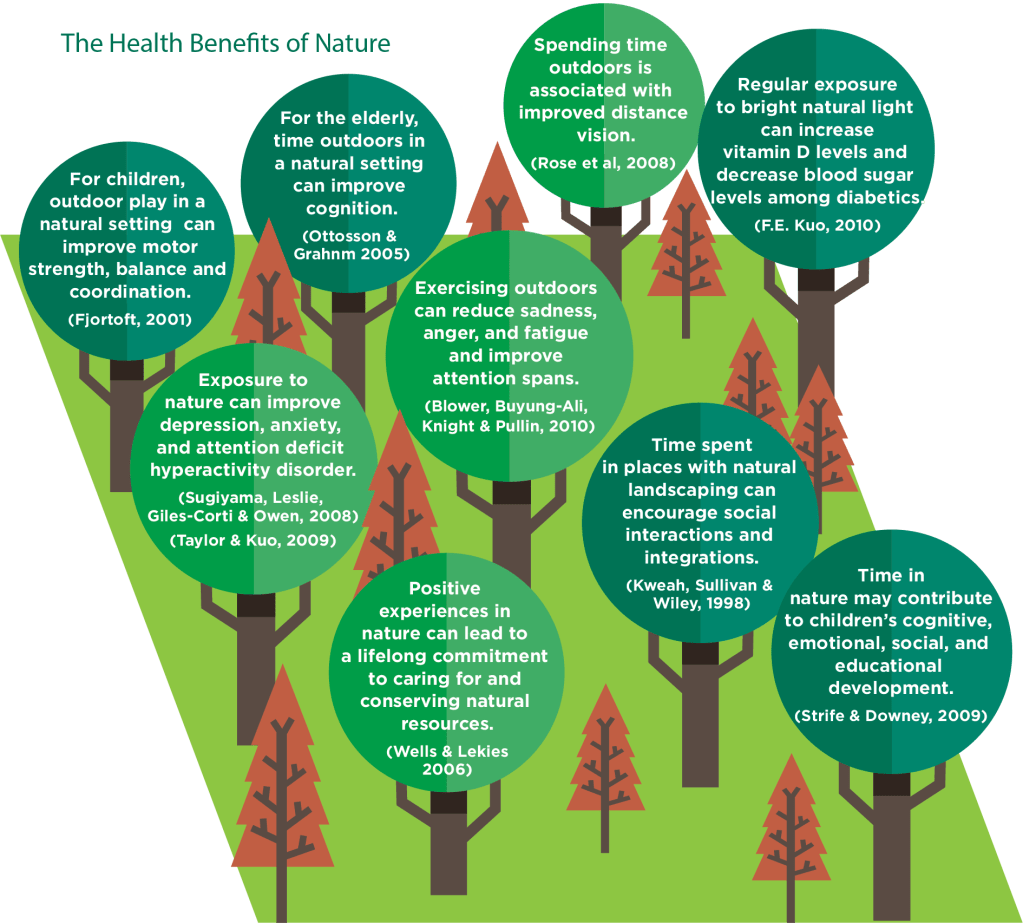
Keep in mind that nature prescriptions evolve over time as a result of seasonal and other environmental conditions (such as extreme weather or wildfires), and will naturally shift along with your current mental and physical health needs and goals. In addition, it’s up to each of us to define our version of “nature,” depending upon our geographic location, physical mobility, and accessibility to public green spaces. You’re invited to identify and connect with the nature activities that work for you.
Finally, nature prescriptions are often part of a multi-faceted treatment plan, in addition to other interventions geared toward strengthening skills, awareness, social support, and healthy lifestyle behaviors.
Interested in learning more? Get in touch for a free 15-minute phone consultation to learn how I incorporate nature prescriptions into my supportive psychotherapy practice serving women. Let’s connect with nature together!
Additional resources:
https://www.npca.org/articles/914-a-prescription-for-nature
https://www.nps.gov/subjects/healthandsafety/healthy-parks-healthy-people-resources.htm
 Dawnn Meiers, Psy.D